

How to Clean Outdoor Bamboo Flooring the Right Way
Mar 4, 2026, 16:10 PM
Outdoor bamboo flooring has become a popular choice for patios, balconies, poolside decks, and garden walkways because of its natural appearance and impressive durability. While bamboo performs well outside when properly maintained, it does require the right cleaning approach to keep it looking fresh, prevent weathering, and support a long lifespan. Outdoor surfaces face harsher exposure than indoor bamboo, so the cleaning process has a few extra steps worth understanding.
Knowing how to clean outdoor bamboo flooring the right way helps prevent discoloration, mildew growth, and surface damage that can occur from dirt buildup or environmental moisture. Many people assume bamboo behaves just like hardwood, but exterior use introduces different care needs. With a consistent routine and the right techniques, your bamboo deck or terrace can maintain its color and texture for years.
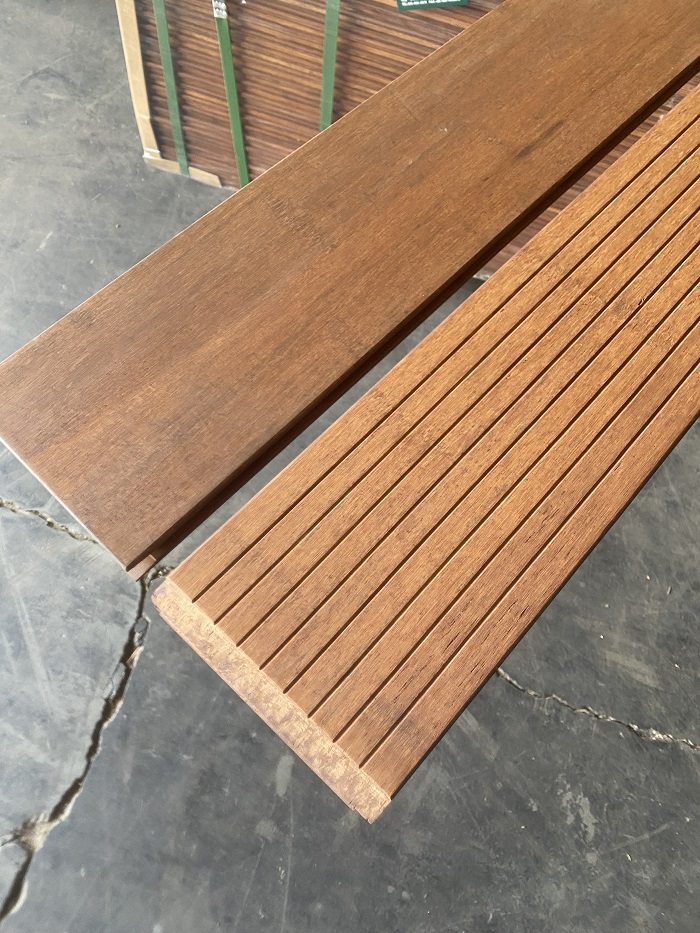
Understanding How Outdoor Bamboo Differs From Indoor Bamboo
Before diving into cleaning methods, it helps to understand why outdoor bamboo reacts differently than indoor flooring. Even though bamboo is naturally strong, the outdoor environment brings constant exposure to sun, rain, humidity, dirt, and temperature shifts. These external factors can influence how the material looks and behaves.
- UV exposure lightens bamboo over time and can lead to surface dryness if not cleaned and treated properly.
- Moisture and humidity can encourage algae or mildew if dirt remains on the boards for long periods.
- Debris buildup from pollen, soil, and leaves can leave stains if they collect in grooves and gaps.
- Temperature changes affect outdoor flooring more dramatically and require consistent care to reduce weathering.
Proper cleaning removes the substances that encourage aging and fading. It also clears the surface so protective oils or sealants can adhere better when you perform routine maintenance.
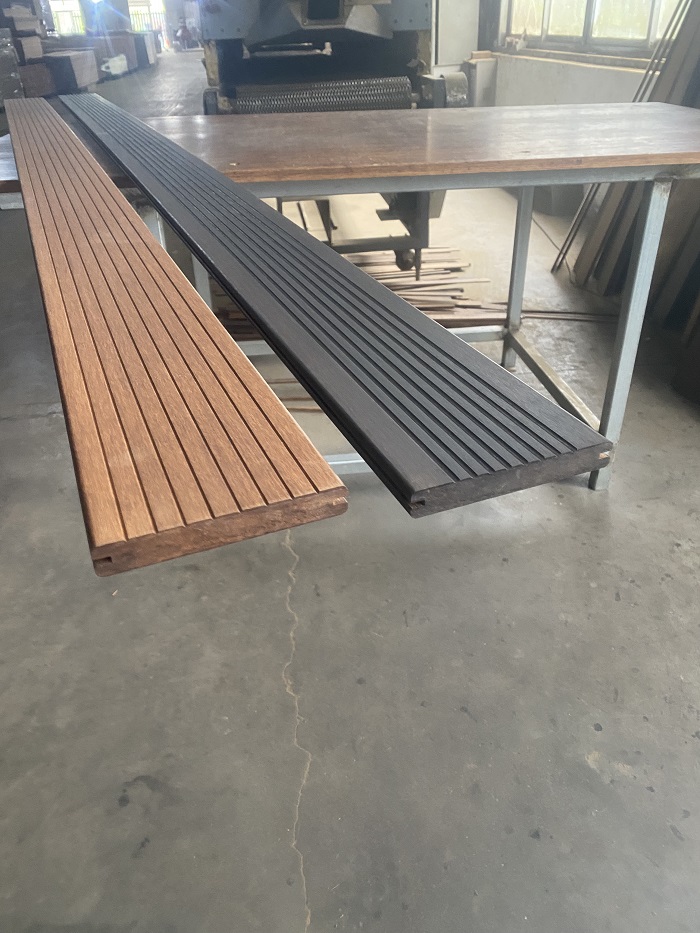
Preparing the Floor Before Cleaning
Preparation helps the cleaning process go more smoothly and prevents unnecessary scratches. Outdoor bamboo flooring often collects debris between panels, especially after storms or windy days. Removing loose material ensures your cleaning tools perform efficiently.
- Use a soft broom or outdoor brush to sweep away dirt, dust, leaves, and sand.
- Clear any furniture or décor so you can work across the entire surface.
- Check for standing water in shaded areas and remove it with a mop or towel.
- Inspect for marks or stains that may require extra attention later.
Light sweeping alone can improve the appearance of outdoor bamboo, but deeper cleaning is necessary for long-term protection.
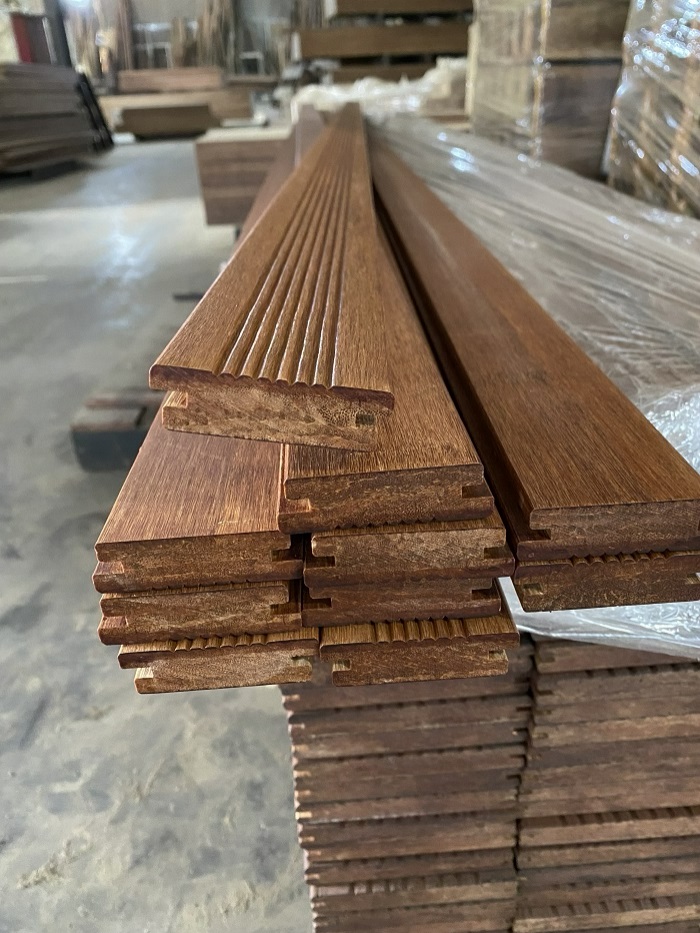
Choosing the Right Cleaning Solutions
Outdoor bamboo is durable, but harsh chemicals can damage the surface or strip protective finishes. Cleaning solutions should be mild yet effective at removing dirt and organic buildup.
- Mild dish soap diluted in warm water is a safe, reliable option for general cleaning.
- Dedicated bamboo or wood deck cleaners provide deeper cleaning without damaging the finish.
- White vinegar mixed with water works well against mildew or algae when used sparingly.
Avoid bleach, ammonia, and abrasive powders, as they can discolor or weaken the bamboo fibers. High-pressure washing should also be avoided unless kept at a very low setting; strong pressure can roughen the surface or push water into plank seams.
Step-by-Step Cleaning Method
Cleaning outdoor bamboo flooring the right way involves simple steps carried out in a logical order. This ensures the flooring is cleaned evenly without oversaturating the boards.
1. Wet the Surface Lightly
Use a garden hose on a gentle spray setting to dampen the bamboo. The goal is not to soak the planks completely but to loosen dirt and prepare the surface for scrubbing.
2. Apply the Cleaning Solution
Mix your chosen cleaner in a bucket according to product instructions. If using dish soap, add a small amount to warm water and stir gently. Apply the mixture with a mop, soft-bristle brush, or sponge mop.
3. Scrub Gently
Scrubbing should be firm enough to clear dirt but gentle enough not to scratch the bamboo. Follow the grain direction for the best results. Pay special attention to:
- Shaded areas that stay damp longer
- Grooves where debris settles
- Spots under planters or outdoor furniture
- Edges near walls where airflow is limited
If stains persist, apply cleaner again and let it sit for a few minutes before scrubbing.
4. Rinse Thoroughly
Use the hose again to remove soap and loosened dirt. Leaving residue behind can make the bamboo look dull, so rinse until the water runs clear.
5. Allow the Floor to Dry Completely
Proper drying prevents trapped moisture, which can contribute to mildew. Let the flooring air-dry under natural sunlight whenever possible. Avoid using it until the surface is fully dry and no slippery areas remain.
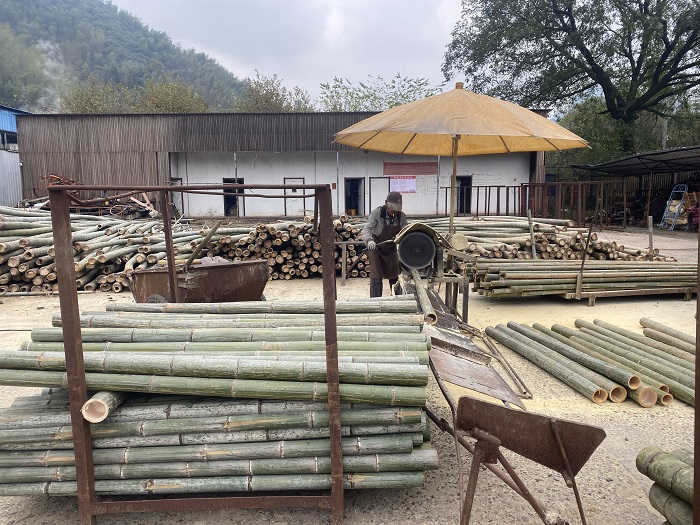
Managing Mold, Mildew, and Algae
Outdoor flooring, especially in shaded or humid regions, may occasionally develop mildew or algae. Early treatment prevents stubborn stains and slippery surfaces. The key is addressing it gently without stripping the bamboo’s finish.
For small patches, a mixture of water and vinegar can help loosen growth. Apply with a cloth or brush, scrub lightly, and rinse thoroughly. If the discoloration is significant, a bamboo-safe deck cleaner formulated for mold prevention may work better.
Keeping the surface free of standing water and debris is the best long-term defense. Trapped moisture under planters or mats can accelerate mildew formation, so rearranging outdoor décor occasionally helps distribute airflow evenly.
Seasonal Maintenance Tips
Outdoor bamboo flooring benefits from consistent care throughout the year. Seasonal routines help prevent deterioration and reduce how often deep cleaning is necessary.
Spring
Spring usually brings pollen, moisture, and new plant growth. A thorough cleaning followed by a light application of protective oil can revive your bamboo after winter exposure.
Summer
High sunlight and heat can dry the surface. Light cleaning and regular sweeping prevent dirt from baking into the planks.
Autumn
Falling leaves and increased dampness can introduce stains. Clearing debris quickly prevents organic material from creating discoloration.
Winter
If your region experiences snow or frost, avoid using metal shovels or abrasive tools to remove ice. A soft brush or plastic snow shovel is much safer for bamboo surfaces.
Protective Treatments After Cleaning
Once your outdoor bamboo flooring is clean and dry, optional treatments can help protect it from UV rays, moisture, and surface wear. These products are especially useful in areas with intense sun or frequent rain.
- Bamboo deck oils add rich color and moisture resistance.
- Penetrating sealers help guard against water infiltration.
- UV-resistant finishes reduce fading in sunny climates.
These treatments typically require reapplication every one to two years, depending on climate and foot traffic. Always use products specifically formulated for bamboo or hardwood decking to avoid compatibility issues.
Preventing Damage During Daily Use
Cleaning is only one part of care; daily habits also influence the lifespan of outdoor bamboo. Simple actions can protect the surface and minimize repairs.
- Place pads under furniture legs to prevent scratching.
- Avoid dragging heavy objects across the floor.
- Use breathable outdoor mats instead of rubber ones that trap moisture.
- Trim nearby plants so they do not shed debris directly onto the deck.
- Remove standing water after rainfall when practical.
Small preventive steps like these greatly reduce the need for intense cleaning or refinishing.
When to Perform Deep Cleaning
Deep cleaning is not required every week, but it's wise to schedule it periodically based on how much exposure your flooring receives. A good general guideline is:
- Twice per year for moderate outdoor environments.
- Three to four times per year in coastal, humid, or heavily shaded areas.
- Once every one to two months for commercial spaces or high-traffic residential decks.
Deep cleaning helps maintain the flooring’s performance and prepares the surface for protective treatments.
Recognizing Signs That Your Bamboo Needs Special Attention
While regular cleaning handles most surface issues, occasionally the flooring may show signs that require more targeted care.
- Graying or fading indicates UV exposure and may benefit from sanding and refinishing.
- Persistent dark spots could be mildew requiring a specialized cleaner.
- Warping may signal prolonged moisture exposure under heavy furniture or mats.
- Slippery areas often result from algae buildup in damp zones.
Addressing these issues early helps avoid deeper repairs later.
Maintaining Long-Term Beauty and Durability
Outdoor bamboo flooring is valued for its natural character and resilience. When cleaned the right way, it withstands sun, rain, and seasonal changes while keeping its color and structure intact. Establishing a gentle, consistent cleaning routine protects the flooring’s finish and prevents the buildup of organic material that can cause surface problems.
Choosing mild cleaners, using soft tools, and allowing proper drying time all contribute to the longevity of bamboo used in outdoor settings. Seasonal care and occasionally applying protective treatments help maintain a vibrant appearance throughout the years. With mindful cleaning and a few preventive habits, outdoor bamboo flooring can remain a comfortable, attractive addition to your exterior living space.
 皖公网安备 34180202000049号