

Moso Bamboo Decking Supplier 2900 137 139 140 20mm
May 28, 2026, 8:30 AM
When selecting materials for outdoor flooring, the primary challenge is finding a balance between natural beauty and the structural integrity required to survive exposure to UV radiation, fluctuating humidity, and biological decay. Traditional hardwoods have long been the standard, but the emergence of Moso bamboo decking—specifically in high-density, strand-woven formats—has introduced a technical alternative that often exceeds the performance metrics of tropical timbers like Ipe or Teak.
The specific configuration of 2900mm length, 20mm thickness, and widths ranging from 137mm to 140mm represents a specialized class of exterior surfacing designed for high-traffic residential and commercial projects. This material is not a simple "bamboo plank"; it is an engineered bamboo composite created through a thermal-mechanical process that alters the very cellular structure of the plant to make it suitable for the "wet zone" of a landscape.
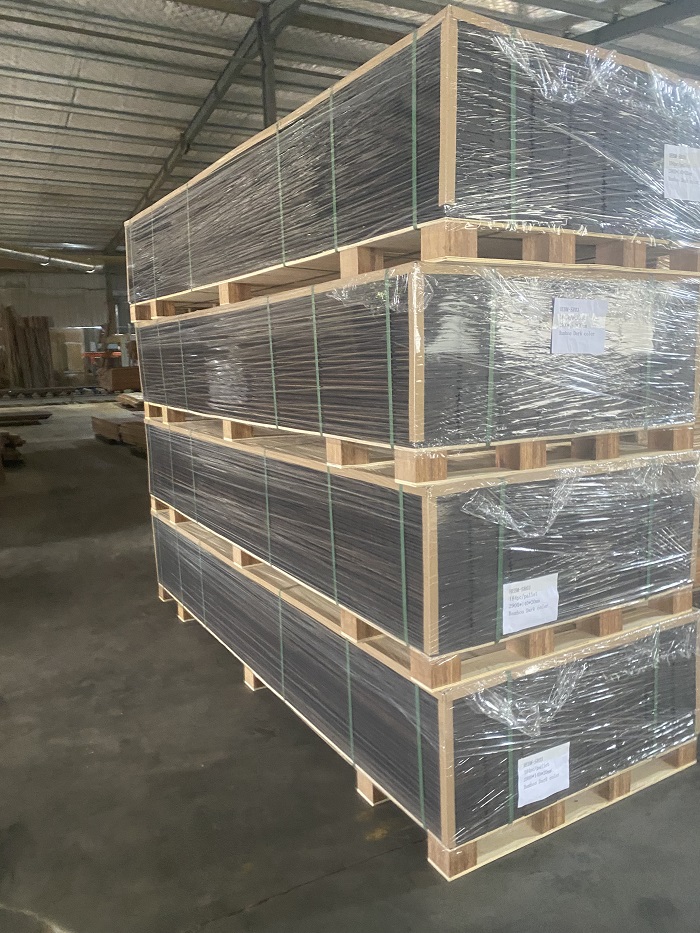
Technical Composition and Manufacturing
Moso bamboo (Phyllostachys edulis) is the raw material used for this decking due to its exceptional density and growth rate. However, in its natural state, bamboo contains high levels of starch and sugar, which would normally attract insects and fungus if placed outdoors. To solve this, the raw bamboo is processed into "strand-woven" decking.
The manufacturing process begins with crushing the bamboo stalks into long, raw fibers. these fibers then undergo a thermal treatment, often referred to as "carbonization" or "caramelization." By heating the fibers to approximately 200°C, the sugars and starches are literally cooked out of the material. This heat treatment also changes the color of the bamboo from its natural blonde to a deep, rich brown that penetrates through the entire thickness of the plank.
Once treated, the fibers are saturated with phenolic resins and compressed under immense hydraulic pressure. This creates a solid block that is significantly denser than most hardwoods. The resulting planks are then milled to the precise 20mm thickness and the specified widths of 137mm, 139mm, or 140mm.
Dimensional Specifications: Why Length and Thickness Matter
The choice of a 2900mm length is a strategic decision for both aesthetics and installation efficiency. In the world of decking, longer boards mean fewer end-butt joints across the surface of the deck. This creates a cleaner, more continuous visual line, which is particularly desirable in modern architectural designs. A 2900mm board provides a substantial reach that can span large terrace areas while remaining manageable for a two-person installation crew.
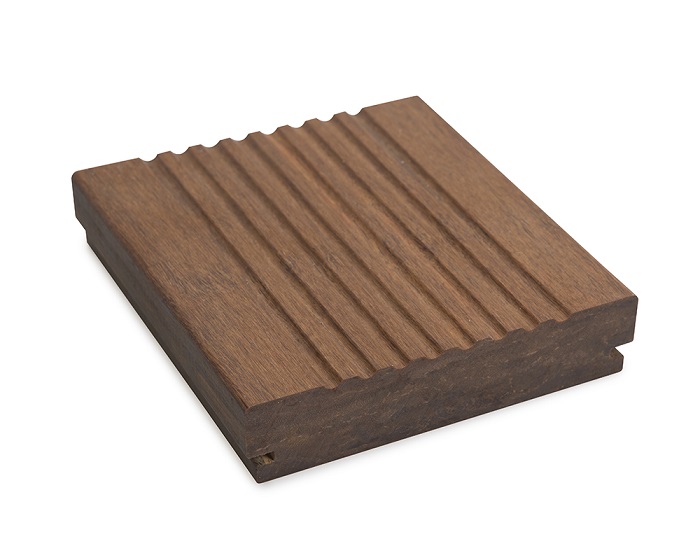
The 20mm thickness is the industry standard for high-performance exterior decking. This thickness provides the necessary rigidity to prevent "bouncing" when walking across the deck and ensures that the boards can withstand the static loads of heavy outdoor furniture or planters. Furthermore, a 20mm profile allows for deep-groove milling on the sides of the boards, enabling the use of hidden fastener systems that keep the surface free of visible screw heads.
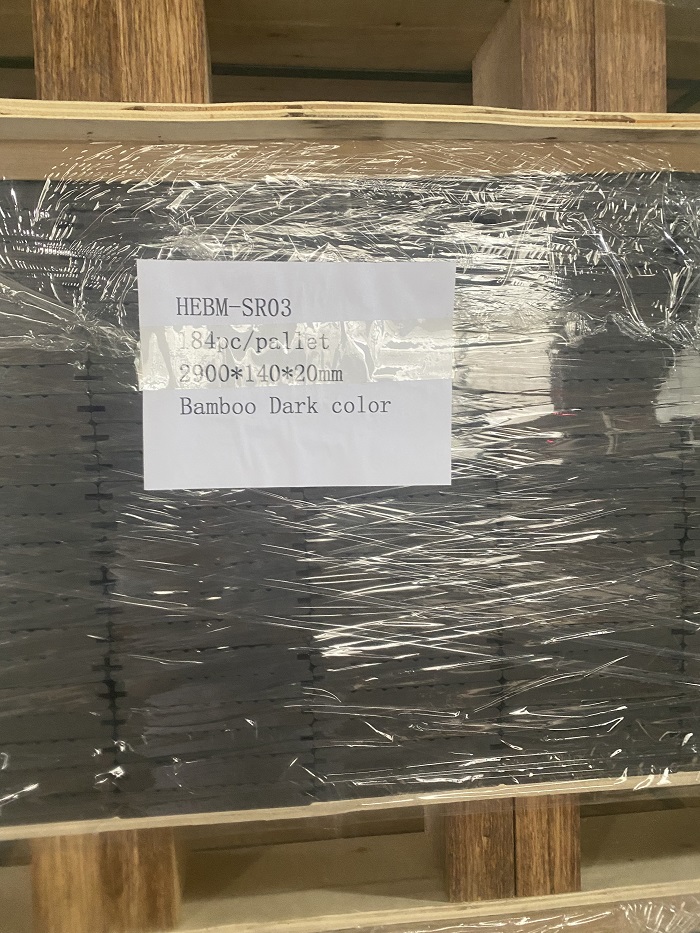
The Significance of Width Variations (137mm, 139mm, 140mm)
While a few millimeters might seem negligible, the availability of 137mm, 139mm, and 140mm widths allows for precision in project planning and aesthetic customization.
- 137mm to 139mm: These widths are frequently chosen for residential projects where a slightly narrower plank creates a more traditional "timber" look. The narrower width also provides a subtle increase in the frequency of drainage gaps, which can be beneficial in areas with exceptionally high rainfall.
- 140mm: This is the standard "wide plank" format. It offers a more expansive feel and is often favored for large-scale commercial decks, hotel boardwalks, or public plazas. The wider face showcases the unique, variegated grain of the strand-woven bamboo, emphasizing its organic origins.
By offering these three specific widths, manufacturers allow designers to calculate exact coverage requirements, minimizing waste during installation.
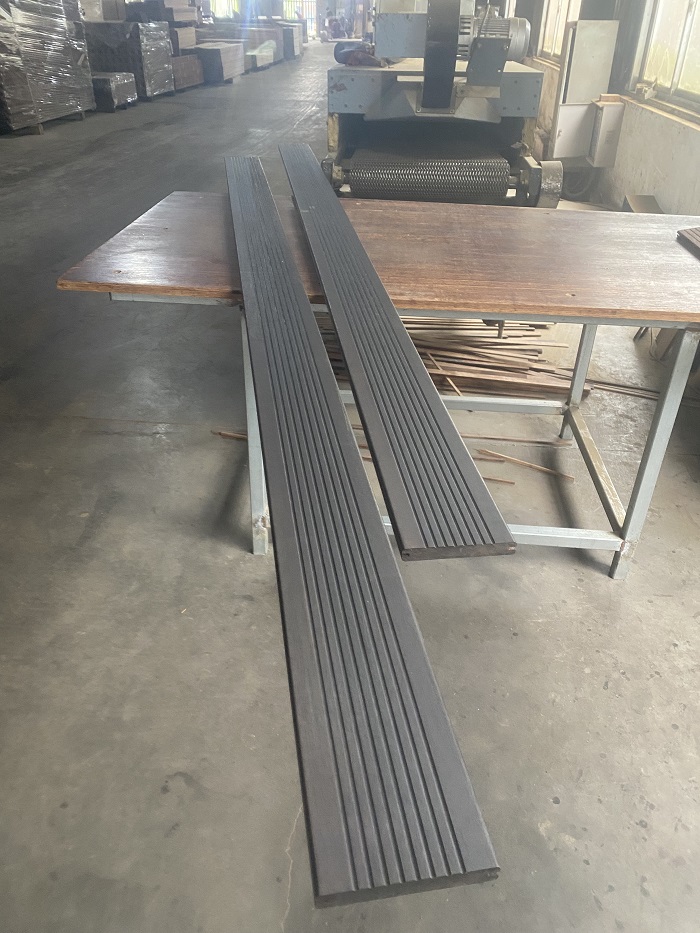
Performance Metrics: Hardness and Stability
The most impressive aspect of Moso bamboo decking is its physical hardness. Using the Janka Hardness Test—which measures the force required to embed a steel ball into the wood—strand-woven bamboo typically scores over 15,000 N. To put this in perspective, this is nearly twice as hard as White Oak and significantly harder than many tropical hardwoods.
This hardness translates directly to scratch and dent resistance. In commercial settings like outdoor restaurants or public galleries, where high-heeled shoes and moving furniture are constant, 20mm Moso bamboo maintains its surface integrity far longer than softer alternatives.
Dimensional Stability
Because the bamboo fibers have been compressed under such high pressure and the sugars have been removed, the material is exceptionally stable. It has a very low coefficient of expansion. While all outdoor materials will move slightly as temperatures change, Moso bamboo decking is less prone to the dramatic warping, cupping, or twisting that plagues standard wood decking. The thermal treatment ensures that the "internal tension" of the fibers is neutralized, resulting in a board that stays flat and true.
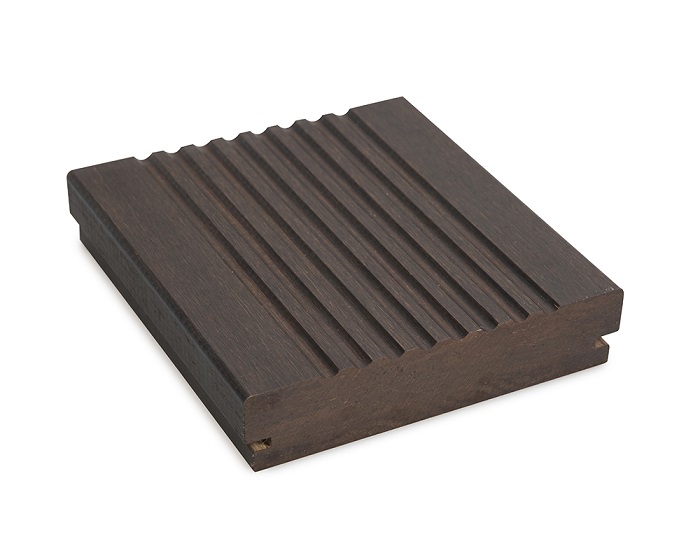
Maintenance and Aging Characteristics
Moso bamboo decking is a natural product, and like all natural materials exposed to the elements, it will change over time. When first installed, the 20mm planks have a deep, mahogany-like color. Over several months of exposure to UV light, the material will gradually transition to a light brown and eventually to a sophisticated silver-grey patina.
Oiling and Color Retention
For those who prefer to maintain the original dark brown color, the decking should be treated with a high-quality exterior saturating oil. Because the density of the bamboo is so high, it is important to use oils specifically formulated for high-density timbers. These oils penetrate the surface to protect against UV bleaching.
If the deck is allowed to weather to a silver-grey, it does not lose its structural integrity. The "grey out" is a purely aesthetic change to the surface fibers. A simple cleaning and re-oiling can restore the original brown tone at any point in the deck's lifespan.
Cleaning
General maintenance involves removing organic debris like leaves and dirt, which can trap moisture and lead to surface mold. A simple cleaning with water and a stiff-bristle brush is usually all that is required. Unlike softwood decks, Moso bamboo does not require aggressive sanding to keep its smooth finish.
Environmental Credentials and Sustainability
One of the driving factors behind the shift toward Moso bamboo is its environmental profile. Traditional hardwoods can take 50 to 100 years to reach maturity. Moso bamboo reaches its full height in a single growing season and reaches maturity for harvesting in just 5 to 7 years.
Because the root system of the bamboo remains intact after harvest, the plant does not die. It continues to send up new shoots, making it a self-regenerating resource. Furthermore, bamboo is an efficient carbon sequester. During its rapid growth phase, it absorbs more carbon dioxide and releases more oxygen than an equivalent stand of trees. For projects aiming for LEED or BREEAM certification, Moso bamboo decking provides a documented path toward sustainable material credits.
Installation Guidelines for 20mm Planks
The success of a 2900mm bamboo deck depends heavily on correct installation practices.
- Substructure: The joist spacing for 20mm thick boards should generally be set at 400mm to 450mm center-to-center. This ensures a rigid walking surface and prevents any potential deflection under load.
- Ventilation: Proper airflow is critical. The area beneath the deck should be well-ventilated to allow moisture to evaporate. This prevents a "vapor trap" which can cause the boards to expand unevenly.
- Hidden Fasteners: The side-groove milling on 137mm-140mm boards is designed for stainless steel clips. These clips allow for the natural expansion and contraction of the boards while maintaining consistent 4mm to 5mm gaps for drainage. Using hidden fasteners also means there are no "face screws" to catch feet or collect water.
- End-Matching: Many high-quality Moso planks feature "tongue and groove" end-matching. This allows the boards to be joined between joists, significantly reducing material waste and creating a seamless look across the 2900mm spans.
Safety and Fire Resistance
In many urban and commercial environments, fire ratings are a mandatory consideration. Moso strand-woven bamboo is naturally dense and, when combined with its fire-retardant thermal treatment, often achieves high fire-resistance ratings (such as Class A per ASTM E84 or Bfl-s1 per EN 13501-1). This makes it a suitable choice for high-rise balconies, public boardwalks, and other areas where strict building codes apply.
Additionally, the material is slip-resistant. Manufacturers often provide planks with two surface options: a smooth side and a "reeded" or "grooved" side. The reeded surface is particularly effective in high-slip areas like pool surrounds or ramps, providing extra traction in wet conditions.
A Long-Term Exterior Asset
Moso bamboo decking in a 20mm thickness and 2900mm length is a professional-grade solution for exterior surfacing. Its density provides the durability of stone, while its cellular structure provides the warmth and organic feel of wood.
By utilizing a rapidly renewable resource and applying advanced thermal-density technology, this decking avoids the common pitfalls of traditional lumber—such as rot, insect infestation, and excessive warping. Whether specified in 137mm, 139mm, or 140mm widths, it offers a versatile and high-performing canvas for outdoor living. For the developer, architect, or homeowner, it represents an investment in a material that is built to age gracefully while requiring significantly less intervention than the hardwoods of the past.
 皖公网安备 34180202000049号