

LVL Bamboo Plywood: The Future of Structural Building Materials
May 28, 2026, 8:30 AM
Engineered wood products have played a major role in reshaping modern construction. Materials such as glued laminated timber and laminated veneer lumber (LVL) have allowed builders to span greater distances, reduce waste, and improve structural efficiency. As interest grows in alternatives that combine performance with environmental responsibility, a new contender is gaining widespread attention: LVL bamboo.
LVL bamboo represents an intersection of advanced engineering and a rapidly renewable natural resource. While bamboo has long been used in scaffolding, flooring, and traditional structures across Asia, the development of engineered bamboo products suitable for structural applications marks a significant shift. LVL bamboo offers strength, stability, and design versatility comparable to many high‑grade structural lumber options, and in several cases it performs even better. For engineers, architects, and developers looking toward the next generation of building materials, LVL bamboo stands out as a serious option.
How LVL Bamboo Is Manufactured
LVL bamboo shares many similarities with wood‑based LVL, but the production process takes advantage of bamboo’s natural fiber structure. The process typically begins with mature bamboo culms, which are harvested once they reach their mechanical peak. These culms are then split into thin strips, treated to remove starches and sugars, and dried carefully to control moisture.
Once the strips reach the correct moisture content, they are processed into veneers and coated with strong, low‑VOC adhesives. These veneers are then oriented with their grains aligned in the same direction and pressed under high pressure and heat. The result is a dense, stable billet that can be sawn into structural components such as beams, planks, posts, and panels. Because the veneers are oriented consistently, the mechanical properties of LVL bamboo are predictable and consistent across batches.
This engineered configuration takes full advantage of bamboo’s long, continuous fibers. Unlike solid wood, which has knots, seasonal growth patterns, and density variations, bamboo veneers offer uniformity. This gives LVL bamboo a reliable strength profile and helps reduce weak points that can occur naturally in timber.
Structural Advantages of LVL Bamboo
One of the strongest arguments for LVL bamboo is its performance. Numerous tests conducted by independent research institutions and manufacturers demonstrate that LVL bamboo performs remarkably well under load. In many cases, its strength‑to‑weight ratio surpasses that of common structural lumber species.
High Tensile and Compressive Strength
Bamboo fibers are inherently strong, and when laminated into LVL form, they achieve impressive tensile and compressive strength. This makes LVL bamboo suitable for applications where tension forces are significant, such as long spans or beams with heavy loads. Its compressive strength makes it suitable for columns and vertical load‑bearing systems.
Dimensional Stability
Because LVL bamboo is engineered using veneers with controlled moisture levels, the material exhibits less swelling, shrinking, and warping than sawn timber. This stability is especially useful in humid climates or areas where seasonal changes can affect structural materials.
Predictable Mechanical Properties
The consistent alignment of fibers and reduction of natural irregularities in LVL bamboo provide predictable mechanical behavior. This predictability is valuable for engineers who rely on uniform properties when designing structural elements. It also reduces the margin of error in construction and makes quality control easier.
High Density and Durability
LVL bamboo tends to be denser than many softwood structural products. This contributes to its durability and ability to handle high loads. The density also provides good resistance to impact, making it well suited for flooring systems and high‑traffic structural components.
Sustainability and Environmental Benefits
Bamboo is known for its rapid growth and ability to regenerate without replanting. Unlike hardwood trees, which take decades to reach maturity, many bamboo species mature in just a few years. This gives bamboo an advantage from a resource‑renewal perspective.
Rapid Regrowth and High Yield
Bamboo can be harvested on a regular cycle without damaging the plant’s root system. This ensures continuous output from the same area of land. The yield per acre can be significantly higher than that of timber forests, making bamboo an efficient raw material source.
Reduced Pressure on Forests
Using bamboo for engineered structural products helps reduce demand for traditional timber. This is beneficial in regions where forest resources face pressure from logging or where tree growth rates are slow.
Low Embodied Energy
The manufacturing process for LVL bamboo requires energy, but the fast growth rate of the raw material often lowers the overall embodied energy compared to slower‑growing woods. Additionally, bamboo absorbs carbon dioxide as it grows, and the carbon remains stored in the material throughout its life cycle.
Responsible Forestry and Certification
More manufacturers are pursuing certifications for sustainable harvesting, low‑emission adhesives, and environmentally responsible production. When sourced from well‑managed plantations, LVL bamboo fits neatly within broader sustainable building practices.
Applications Where LVL Bamboo Performs Strongly
LVL bamboo is suitable for a wide range of structural and semi‑structural uses. As the material gains acceptance in codes and standards, its applications continue to grow.
Beams and Joists
The high bending strength of LVL bamboo makes it well suited for beams, joists, and rafters where long spans are necessary. Its dimensional stability reduces the likelihood of sagging or warping over time.
Columns and Posts
Because of its compressive strength, LVL bamboo can be used for load‑bearing columns and posts in residential and commercial structures. The sleek, modern appearance also makes it attractive for exposed structural elements.
Laminated Panels and Floor Systems
When cut into panels or decking components, LVL bamboo offers excellent load capacity and surface durability. The density of the material allows floors to remain stable under heavy foot traffic or furniture weight.
Structural Frames
In hybrid construction systems that combine steel, concrete, and engineered timber, LVL bamboo serves as a lightweight, strong, and visually appealing framing material. It pairs well with contemporary architectural styles that emphasize natural materials.
Bridges and Outdoor Structures
Research into outdoor applications is expanding. Properly treated LVL bamboo can be used for pedestrian bridges, gazebos, pavilions, and other exterior structures. Its resistance to bending stress gives it a natural advantage in applications where load cycles are constant.
Working With LVL Bamboo in Construction
Contractors using LVL bamboo appreciate its similarity to working with engineered wood products. Although the density requires appropriate blades and tools, the handling process is straightforward.
Cutting and Machining
Carbide-tipped blades and high‑quality cutting tools help produce clean edges with minimal tear‑out. Slow, steady cutting speeds reduce heat buildup in dense sections.
Fastening and Hardware
LVL bamboo holds screws and bolts well due to its density and uniform grain structure. Pre‑drilling is recommended, particularly near edges or in areas of concentrated fastening. Most standard structural connectors and hardware systems work effectively with LVL bamboo.
Finishing and Protection
Finishes for LVL bamboo vary depending on whether the material will be exposed. Clear sealers highlight the distinctive grain, while tinted finishes can help blend the material with other elements. For outdoor use, protection against moisture and UV exposure is essential for long‑term performance.
Weight and Handling
Although denser than many wood species, LVL bamboo remains lighter than steel or concrete alternatives. This reduces transportation costs and simplifies installation when lifting is done manually.
Architectural and Design Advantages
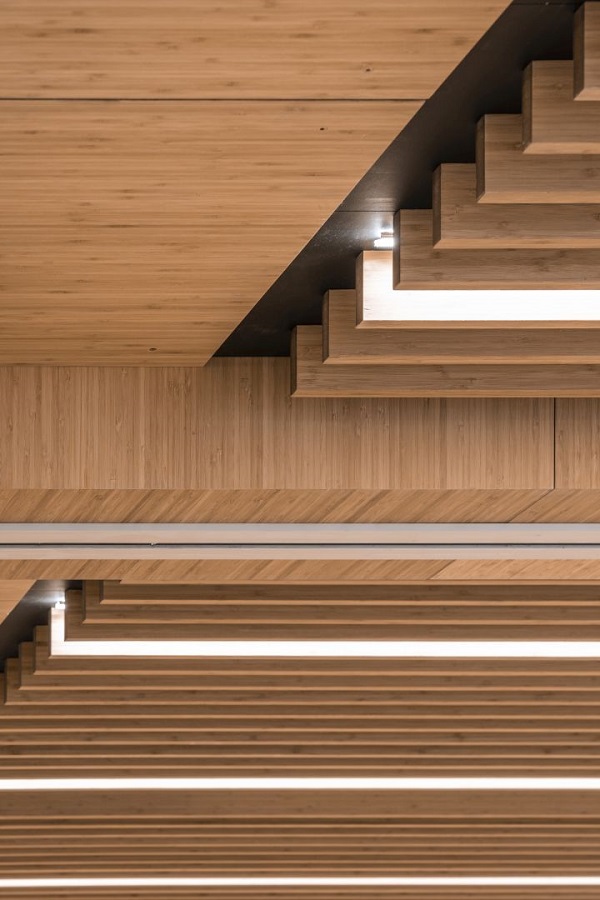
Beyond its engineering performance, LVL bamboo offers a distinctive visual presence. Architects often appreciate its refined grain pattern, which differs from traditional timber products.
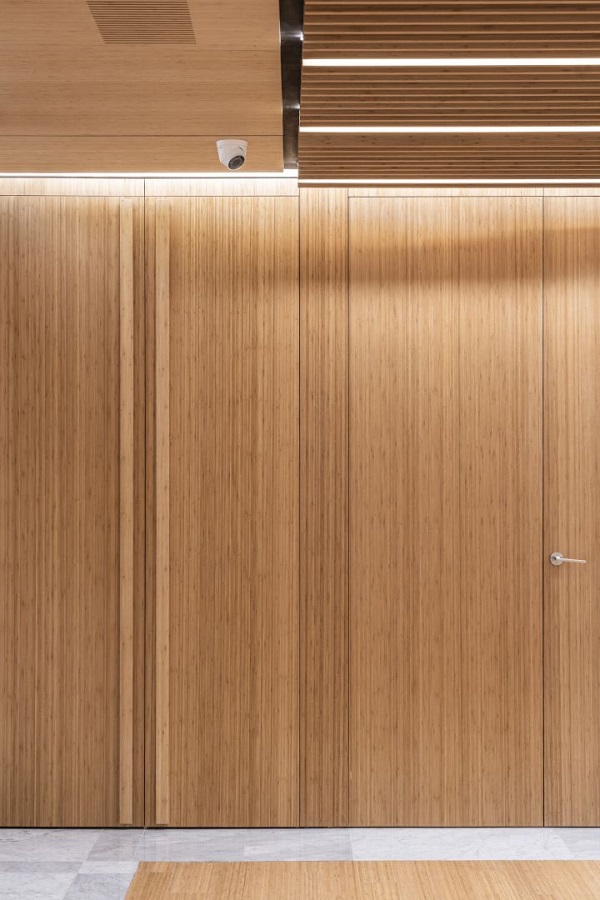
Clean, Linear Grain Patterns
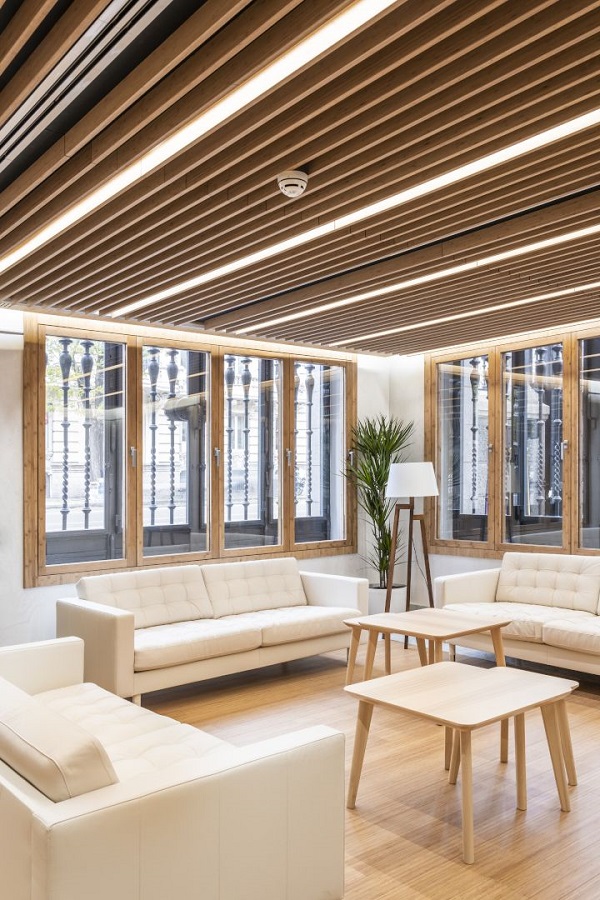
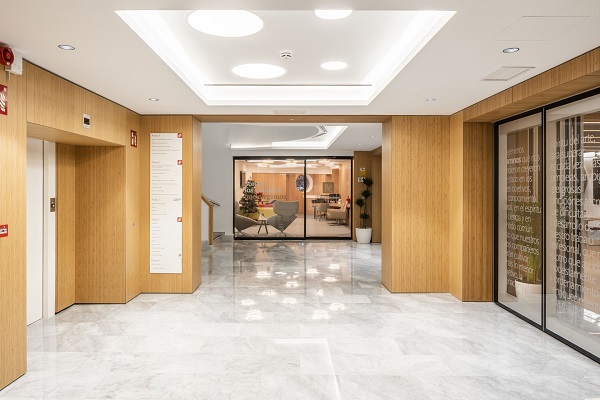
Because the veneers run in one direction, LVL bamboo creates a refined, linear surface that fits neatly into contemporary architectural language. This makes it suitable both for structural use and as a finished material.
Warm Natural Tones
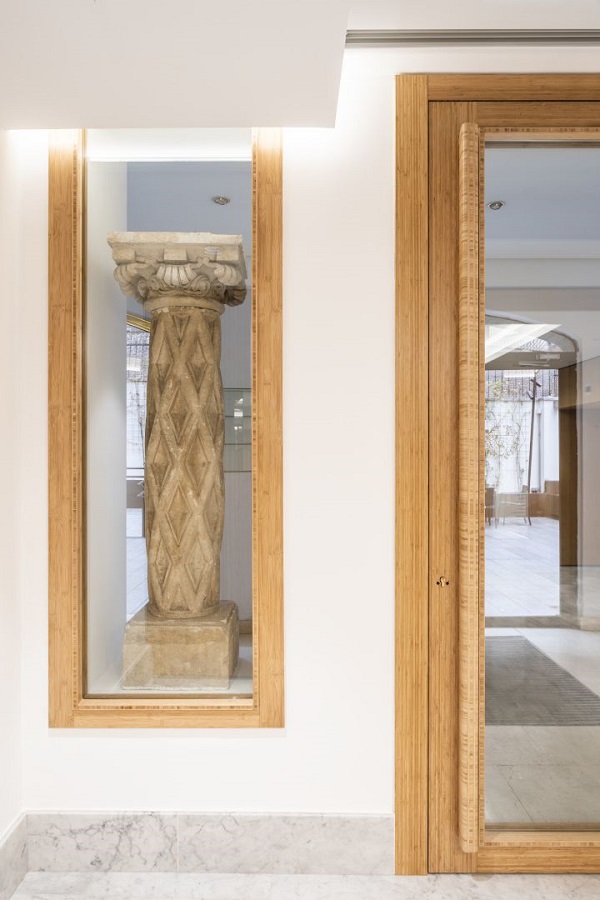
LVL bamboo can vary in color depending on whether the bamboo has been steamed or left natural. The warm tones complement minimalist interiors, natural materials, and open-plan spaces.
Exposed Structural Elements
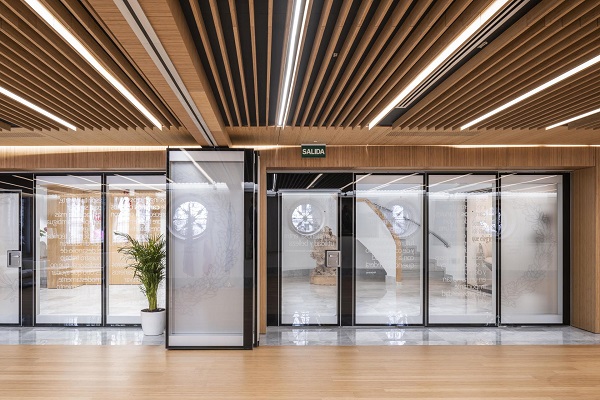
Modern buildings increasingly showcase exposed structural components as part of their design. LVL bamboo, with its clean lines and uniform appearance, works well in these settings. Beams, columns, and floor systems made from bamboo can act as both functional and visual design anchors.
Building Codes and Market Adoption
Adoption of LVL bamboo continues to expand as more engineers test its capabilities and more manufacturers standardize their production processes. As the material becomes more widely recognized, building codes in different regions are beginning to include provisions for engineered bamboo.
Certification programs for structural performance, fire resistance, and environmental compliance help architects and builders specify LVL bamboo with confidence. Universities and research institutions are also conducting studies to better understand long‑term performance under various loads and environmental conditions. This research strengthens the case for LVL bamboo as a dependable material for mainstream construction.
Economic Factors and Market Potential
The economics of LVL bamboo depend on factors such as transportation, manufacturing scale, and regional availability of raw materials. As production expands, costs are expected to become more competitive with engineered wood products. The material’s durability and long life span also contribute to favorable life-cycle costs.
Builders and developers who seek materials that combine strength and environmental responsibility are increasingly considering bamboo. Its rapid renewability gives it long‑term economic stability, and as adoption widens, supply chains are likely to grow more robust.
Long-Term Outlook for LVL Bamboo
The shift toward environmentally conscious building materials continues to shape decisions in construction. LVL bamboo offers a combination of benefits that appeal to both structural engineers and designers: predictable performance, visual appeal, stability, and a strong sustainability profile. With improvements in manufacturing techniques and broader acceptance within building standards, the material holds significant potential for widespread use.
As more projects incorporate LVL bamboo into beams, columns, floor systems, and architectural elements, its capabilities become increasingly familiar to the industry. Its balance of reliability, structural integrity, and renewability positions it as one of the most promising engineered materials available for those seeking thoughtful alternatives to conventional options.
 皖公网安备 34180202000049号