

Lucky Bamboo Plant: Understanding and Caring Dracaena Sanderiana
May 28, 2026, 8:30 AM
The global horticultural trade relies heavily on a select group of resilient, visually distinctive flora. Among these, few have achieved the widespread popularity and enduring market demand of the lucky bamboo plant. Valued for its minimalist aesthetic, adaptation to interior low-light environments, and profound cultural associations, this botanical specimen forms the backbone of specialized commercial nurseries globally.
Despite its ubiquitous presentation, there remains substantial confusion regarding its biological origins, physical parameters, and optimal care requirements. This analysis serves as an industry overview of the lucky bamboo plant, detailing its botanical identity, commercial dimensions, cultivation standards, and the industrial infrastructure that powers its global distribution.
Botanical Classification and Core Species
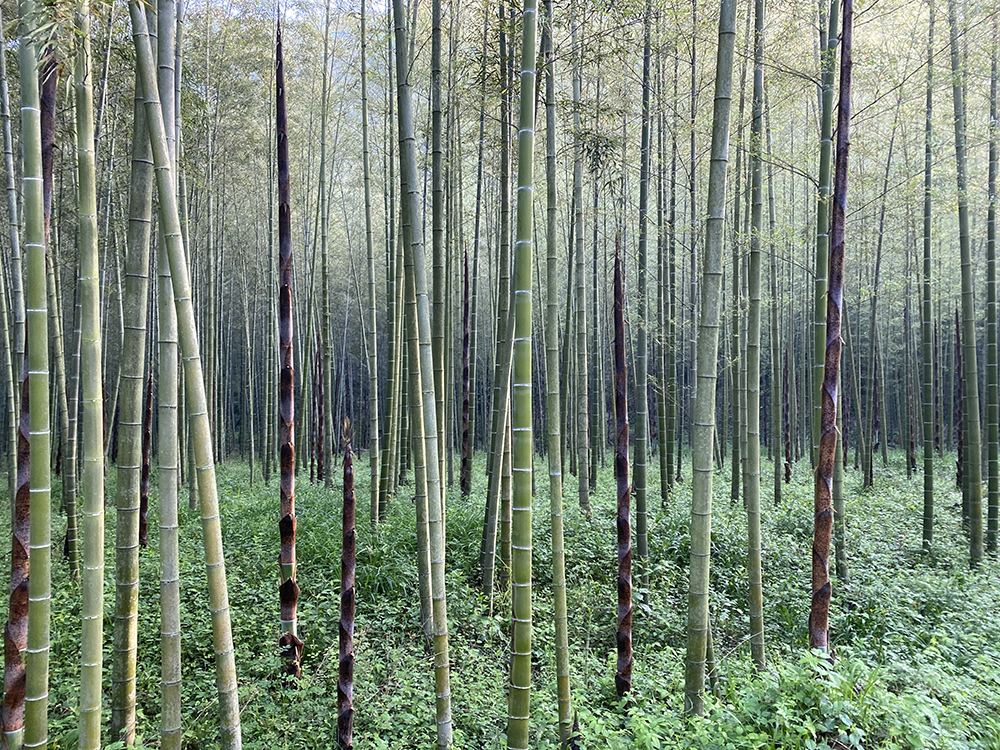
A primary point of clarification required for importers, retailers, and horticulturists is the taxonomic classification of lucky bamboo. While its segmented stalks closely resemble members of the Poaceae family (true grasses or true bamboos), the lucky bamboo plant is an entirely different organism.
Taxonomic Identity
Scientifically classified as Dracaena sanderiana (often referenced historically as Dracaena braunii), the plant is a tropical, monocotyledonous perennial shrub belonging to the Asparagaceae family. Unlike true woody bamboos, its stalks remain fleshy, pliable, and fibrous, allowing growers to manipulate its structural alignment during development.
Phenotypic Variations and Cultivars
While Dracaena sanderiana is the foundational species, global commercial production has developed specific cultivars to meet diverse consumer tastes:
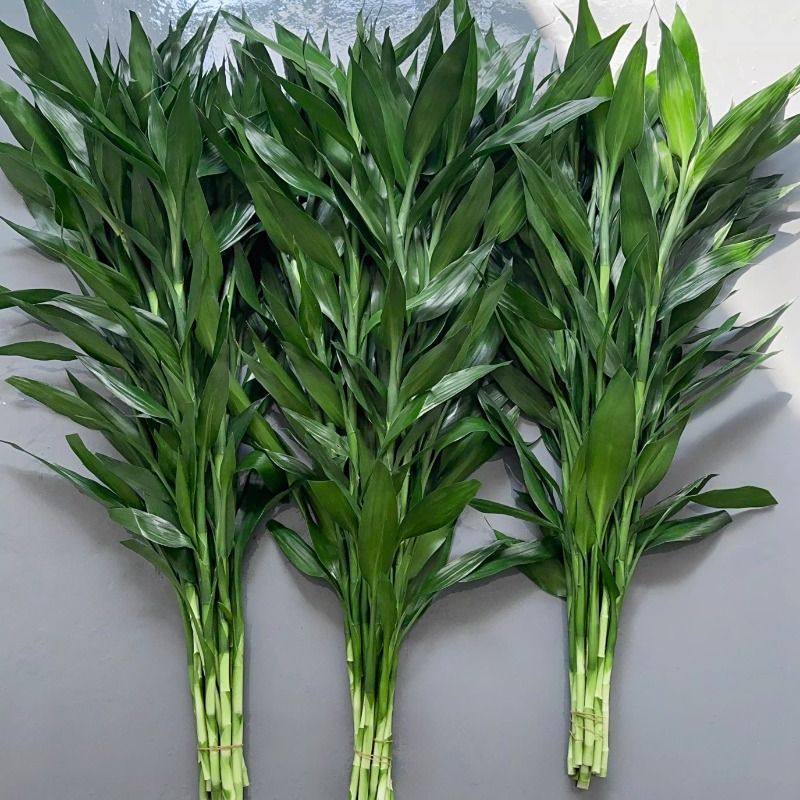
- Standard Green: The classic variety characterized by solid, deep emerald green stalks and lanceolate (spear-shaped) leaves. It exhibits high resilience to light fluctuations and excellent transit endurance.
- Variegated (Ribbon): Cultivars such as Dracaena sanderiana 'Variegata' feature striking longitudinal stripes of cream, pale yellow, or white running along the leaf margins. These varieties demand slightly more regulated light environments to maintain their distinct color patterns without reverting to solid green.
- Lotus Bamboo (Goddess of Mercy): A specific variant displaying shorter internodes (the spaces between stem joints) and broader, densely clustered leaves that mirror the symmetry of a lotus flower. The stems are significantly thicker, providing a robust, columnar appearance.
Commercial Dimensions and Structural Variations
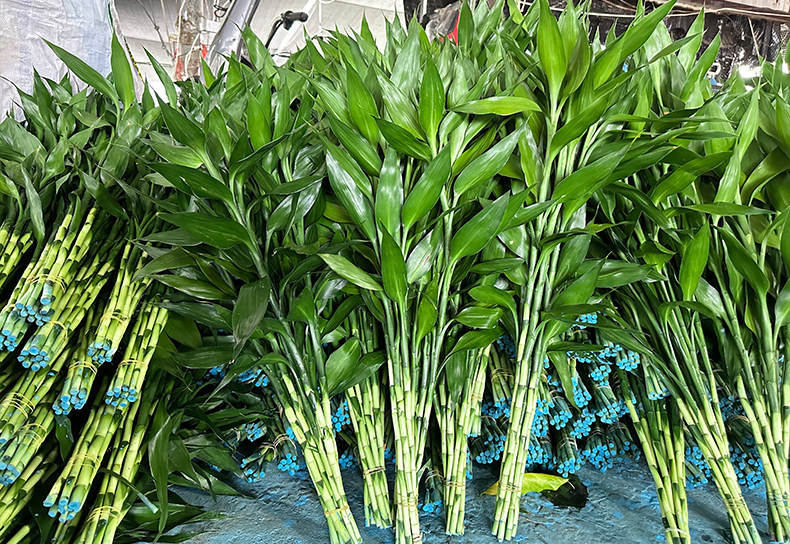
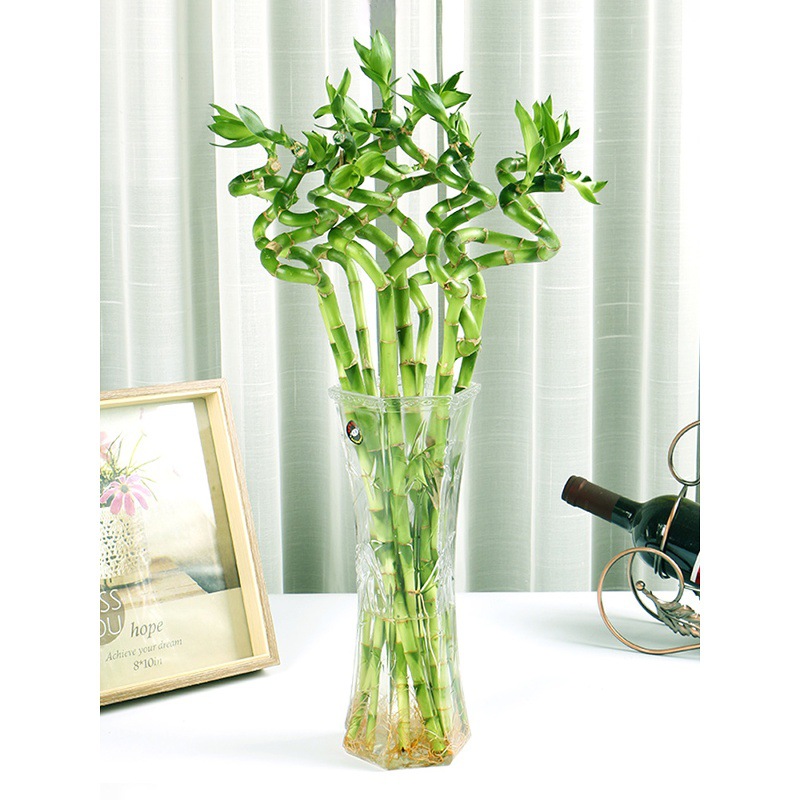
In the international export sector, lucky bamboo is strictly graded based on structural styling, stem length, and maturity. The plant’s natural flexibility allows commercial nurseries to train the stalks into distinct geometric configurations.
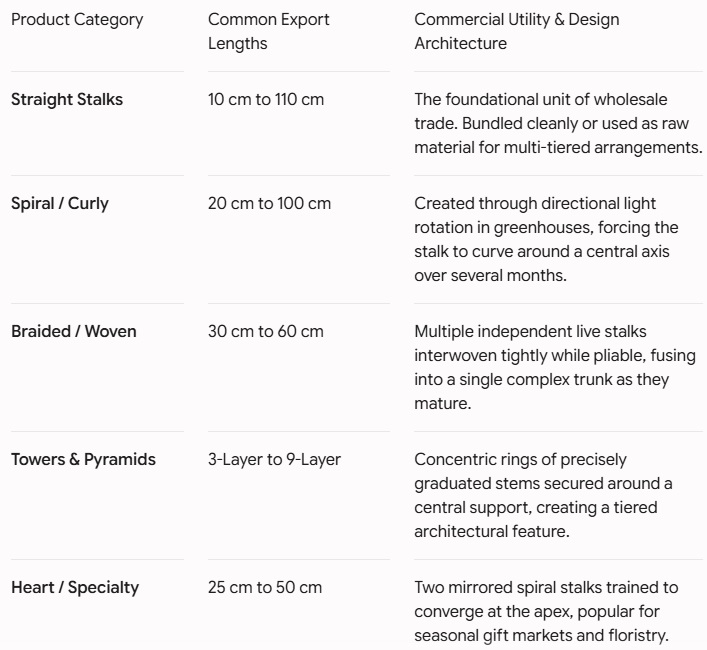
The stem diameter is another critical quality metric, typically ranging from 0.8 cm to 2.5 cm. Thicker stems generally correlate with higher carbohydrate reserves, leading to more robust root development and faster shoot emergence following transport.
Horticultural Care and Long-Term Maintenance
One reason the lucky bamboo plant dominates the interior landscape market is its adaptive survival mechanism. However, maintaining optimal health, leaf coloration, and structural integrity requires adherence to specific abiotic parameters.
1. Substrate and Medium Options
Commercial and retail end-users typically maintain lucky bamboo in one of two environments:
- Hydroponic/Aquatic Cultivation: The stalks are placed directly in water supported by inert substrates like polished river pebbles or glass marbles to stabilize the root architecture. The water level must consistently submerge the root system and cover at least 2.5 cm to 5 cm of the lower stem base.
- Terrestrial Potting Soil: For long-term growth, the plant thrives in a rich, highly porous, well-draining potting mix (such as a peat-sand-perlite blend). It does not tolerate prolonged waterlogging, which induces hypoxic conditions in the root zone.
2. Water Quality and Composition
Dracaena sanderiana is exceptionally sensitive to dissolved mineral salts and chemical additives commonly found in municipal water supplies.
- Chemical Sensitivity: High concentrations of fluoride and chlorine induce localized necrosis, presenting as scorched, dry brown tips or margins on the leaves.
- Mitigation: Cultivators should utilize distilled water, reverse osmosis water, or collected rainwater. If municipal tap water must be used, letting it stand exposed to air for 24 hours allows gaseous chlorine to dissipate, though it will not eliminate non-volatile fluoride compounds.
3. Illumination and Photoperiod
Reflecting its native origins beneath the dense canopies of central African rainforests, lucky bamboo requires filtered light.
- Optimal Exposure: Bright, indirect sunlight or simulated commercial LED/fluorescent growth lighting.
- Adverse Exposure: Direct solar radiation destroys chlorophyll molecules, causing rapid leaf bleaching and desiccation. Conversely, prolonged deep shade restricts growth, limits new shoot development, and causes the vibrant green pigmentation to fade.
4. Thermal and Humidity Thresholds
As a tropical understory plant, its enzymatic and metabolic processes are temperature-dependent.
- Ideal Range: Stable temperatures between 18°C and 32°C (65°F to 90°F).
- Critical Limits: Ambient temperatures dropping below 13°C (55°F) cause systemic physiological stress, resulting in cellular collapse, leaf drop, and yellowing stalks. Protection from cold drafts, HVAC exhaust vents, and sudden thermal shifts is essential.
5. Nutrition and Fertilization
Because it is frequently grown in clean water, nutrients can become a limiting factor for biomass production.
- Hydroponic Feeding: A highly diluted, specialized liquid houseplant fertilizer (formulated at 1/4 or less of standard strength) applied once every six to eight weeks is sufficient. Excessive nutrients trigger algal blooms in transparent vases and burn the delicate root filaments.
- Soil Feeding: Balanced, slow-release granules or a monthly low-dose liquid application during the active spring and summer growing phases.
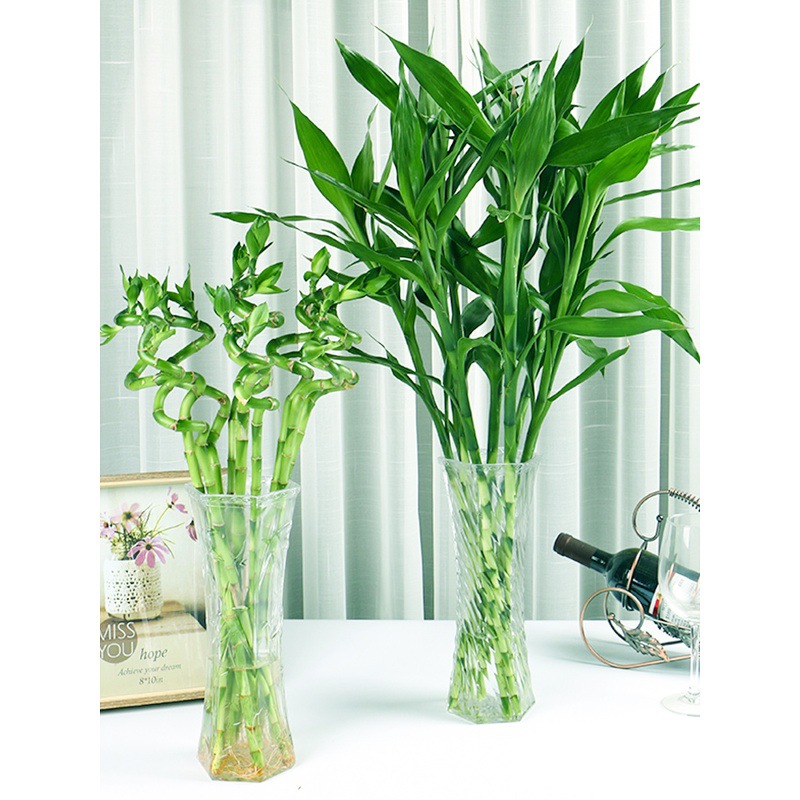
Cultural Significance and Feng Shui Integration
The commercial value of lucky bamboo is inextricably linked to its symbolic positioning within Asian cultural traditions, particularly Eastern Feng Shui practices. Within this framework, the plant is viewed as a living conduit for environmental harmony and positive energetic resonance.
The Five Elements Balance
A classic arrangement of the lucky bamboo plant is intentionally curated to encompass all five elements of the traditional cosmological system, creating a self-contained micro-ecosystem:
- Wood: Represented naturally by the living plant stalks.
- Water: The medium in which the hydroponic system thrives.
- Earth: The mineral rocks, pebbles, or soil medium used for physical stabilization.
- Fire: Symbolized by a red ribbon or band tied around the stalks, or an accompanying decorative accent.
- Metal: Provided by the glass vase itself (which aligns with metal properties) or an attached metallic emblem.
Numerical Symbolism
The quantity of individual stalks grouped within a single container dictates the specific intent of the gift or architectural placement:
- 2 Stalks: Historically gifted to nurture partnerships, marital harmony, and expressions of affection.
- 3 Stalks: A foundational arrangement focusing on three pillars of human fulfillment: happiness (Fu), longevity (Lu), and wealth (Soh).
- 5 Stalks: Targets the stabilization of personal and professional health, balancing physical, emotional, and mental domains.
- 6 Stalks: Aligns with prosperous outcomes, business expansions, and smooth professional execution.
- 8 Stalks: Deeply tied to financial accumulation, abundance, and wealth generation, driven by the linguistic similarity of the number eight (Ba) to the word for prosperity (Fa).
- 21 Stalks: A heavy, multi-layered structural layout symbolizing comprehensive, all-encompassing blessings for estates or major commercial operations.
Industrial Production Processes and Quality Assurance
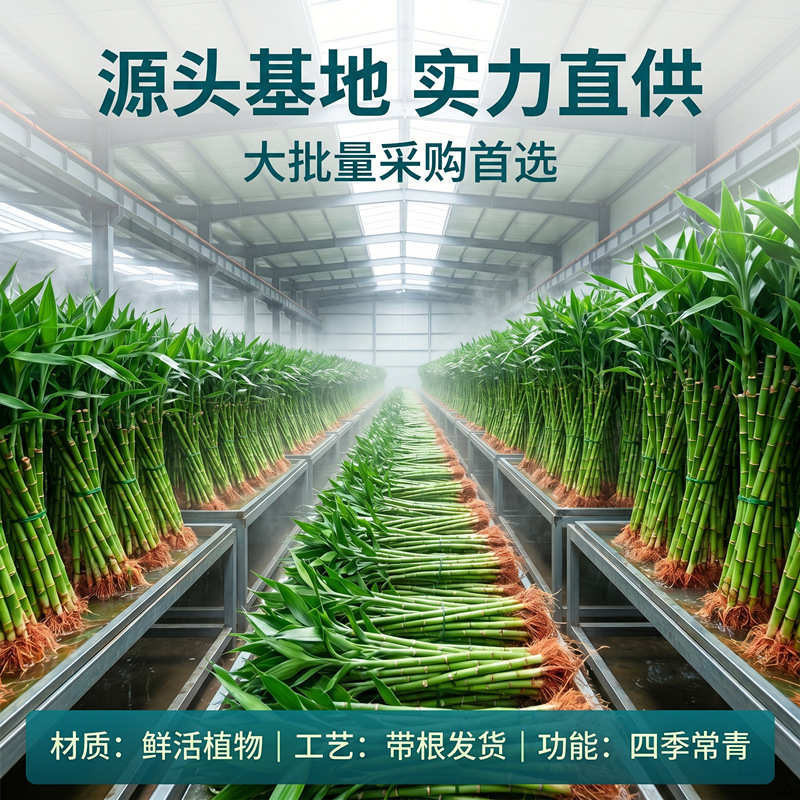
Bringing high-volumes of premium lucky bamboo from agricultural fields to the international retail shelf requires a highly technical, multi-stage supply chain. China stands as the global epicentre for this specialized agricultural export, utilizing natural climatic zones optimized for Dracaena propagation.
Agronomic Propagation
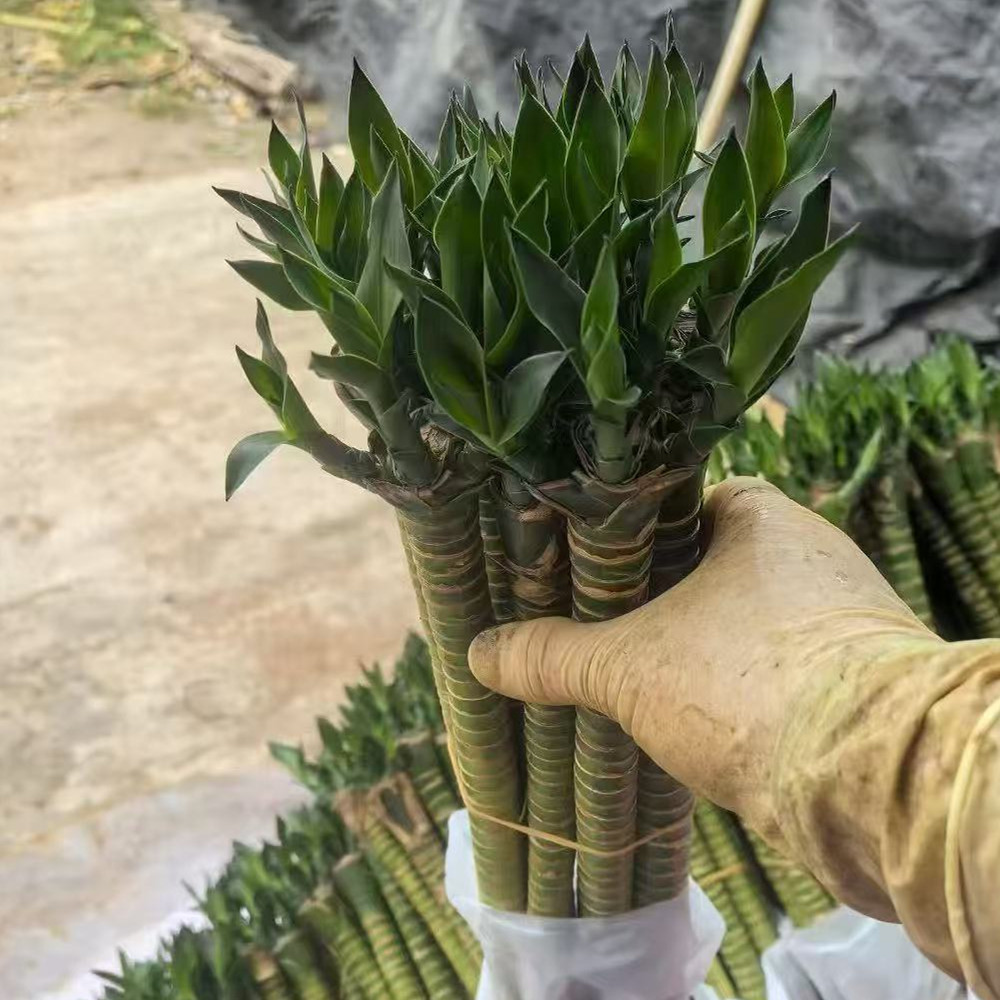
The lifecycle begins in vast, modern nursery beds sheltered under customized shade cloth netting. Stalk cuttings featuring viable nodes are inserted into highly fertile, moist soil substrates. Over a multi-month period, these cuttings develop extensive root systems and vertical vegetative growth under carefully monitored irrigation and nutritional regimes.
Processing, Grading, and Aesthetic Styling
Once the primary stalks achieve target diameters and lengths, they are harvested and transferred to clean processing facilities. Here, technicians wash the stems, strip away lower foliage to expose the characteristic bamboo-like rings, and sort them into strict millimeter-based height categories. For spiral varieties, the stalks are placed on specialized light-rotation racks where directional shifting of overhead tarps forces the phototropic tips to curve into precise, uniform helixes over extended periods.
Root Forcing and Hardening
Before packaging, raw stalks undergo a critical root-induction phase. Placed in shallow, clean water troughs inside climate-controlled greenhouses, the base of the stalks form healthy, pink-to-orange adventitious root systems. This step ensures that when the client receives the wholesale batch, the plants are already established and capable of immediate nutrient uptake.
Biosecurity and International Phytosanitary Standards
Exporting live plant material requires absolute mitigation of biological risks. Every shipment must comply with the stringent requirements of importing customs agencies, such as the USDA or European phytosanitary inspectors. Stalks are rigorously checked to ensure they are entirely free of soil debris, phytopathogenic fungi, spider mites, mealybugs, and snails. They are then packed into custom, shock-absorbing, temperature-insulated crates designed to maintain moisture levels without fostering mold growth during long-distance maritime or air freight.
Industrial Supply Partner: Bothbest Lucky Bamboo Factory
For global wholesale buyers seeking a reliable source of premium live stock, Bothbest stands as a premier manufacturer of lucky bamboo based in China. Operating large-scale cultivation bases managed by expert agronomists, Bothbest delivers exceptionally healthy, rigorously graded lucky bamboo plant shipments worldwide. Their advanced infrastructure, direct farm-to-port logistics, and strict adherence to international phytosanitary quarantine standards make them a trusted supply partner for mass distributors, major garden centers, and e-commerce enterprises looking to stabilize their inventory with vibrant, premium-tier flora.
 皖公网安备 34180202000049号